I am deeply invested in supporting students in their educational journeys and encouraging young minds to use their voices and ideas to effect change and create new knowledge. I am committed to inquiry-driven, hands-on science education, which fosters a love for learning and exploration among students. My mentoring and teaching experiences in both national and international settings have not only shaped my perspectives and motivations as an educator but have also given me a broader understanding of diverse educational practices and cultural contexts. These experiences have elevated my communication skills and enhanced the creativity and adaptability I bring to the classroom, enabling me to tailor my teaching methods to meet the unique needs of each student. I believe that every student has the potential to excel and make a positive impact, and I strive to create a supportive and engaging environment where they can thrive. I am always looking for new opportunities to get involved in exciting science education programs, and I welcome collaborations that inspire innovation and curiosity in learning. Please reach out if you would like to chat!
Teaching
Strategies and Techniques for Analyzing Microbial Population Structures (STAMPS)
STAMPS offers hands-on interdisciplinary training in bioinformatics and statistics for metagenomic, genomic, and amplicon studies of microbial communities. As a teaching assistant and lecturer, I supported graduate students, postdoctoral researchers, and established investigators from diverse biological fields in understanding and implementing foundational concepts in experimental design and bioinformatic analyses. I also developed and delivered interactive course material focused on the analysis of and statistical approaches in metatranscriptomes.
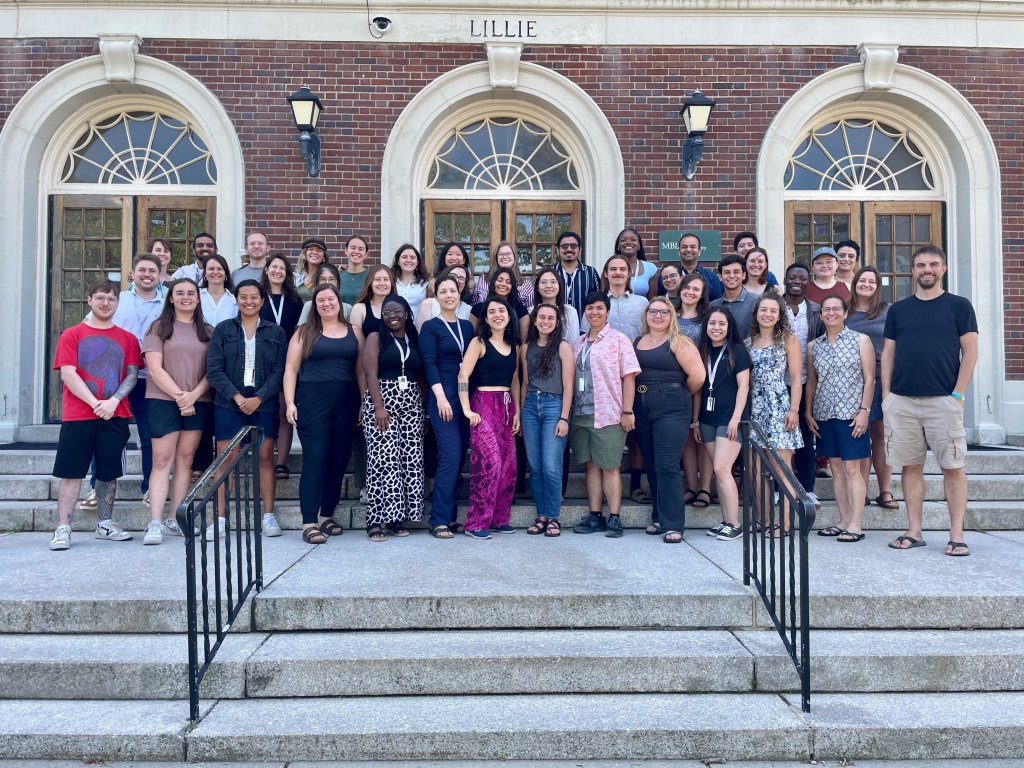
OCN 196 Research Experiences in Marine Science (REMS) at the University of Hawaiʻi at Mānoa
Teaching this inquiry-driven 6.5-week, full-day immersive summer course for advanced high school students and recent graduates was one of the most insightful experiences in my pedagogical journey. The lessons centered on inquiry- and place-based education goals, typically with lectures and discussions in the morning and laboratory modules and short presentations in the afternoon. Educational experts independently develop the unique curricula offered in REMS by utilizing the research expertise of local scientists to educate students on foundational principles of marine sciences (e.g. ocean chemistry, water quality, marine biodiversity, coral reef biology, marine bioacoustics) and research approaches in marine sciences.
During the school year, senior high-school classes visited the Hawaiʻi Institute of Marine Biology where I co-taught abbreviated course content from the intensive OCN 196 summer course.

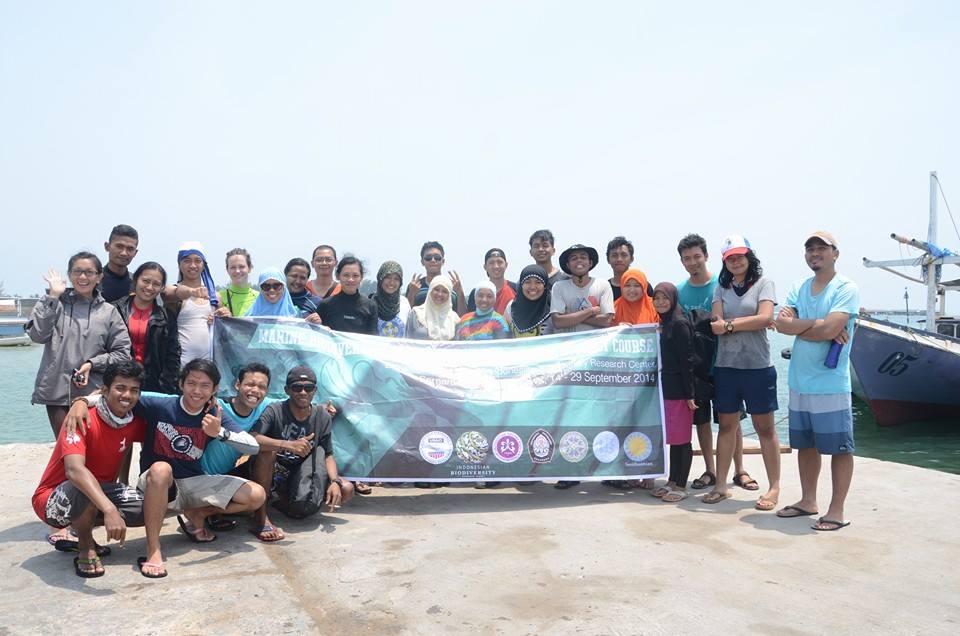
Indonesian Biodiversity Research Center (IBRC)
For nearly two years I worked at the Indonesian Biodiversity Research Center (IBRC), an institution focused on building educational and scientific capacity in biodiversity and conservation sciences in Indonesia.
During this time, I served as an instructor for multiple workshops and short courses offered through the Indonesian Biodiversity Research Center. These workshops invited junior and senior scientists to gain skills in lab-based molecular ecology (e.g. DNA extraction, PCR), genetic analysis (e.g. phylogenetics, population biology, phylogeography), and field-based biodiversity surveys (e.g. collection of Autonomous Reef Monitoring Structures (ARMS), invertebrate taxonomy, grouper fish taxonomy).
The IBRC is no longer in operation. However, the mission of developing biodiversity research and conservation programs and scientific capacity building efforts in the region has been reimagined with Yayasan Biodiversitas Indonesia (BIONESIA).
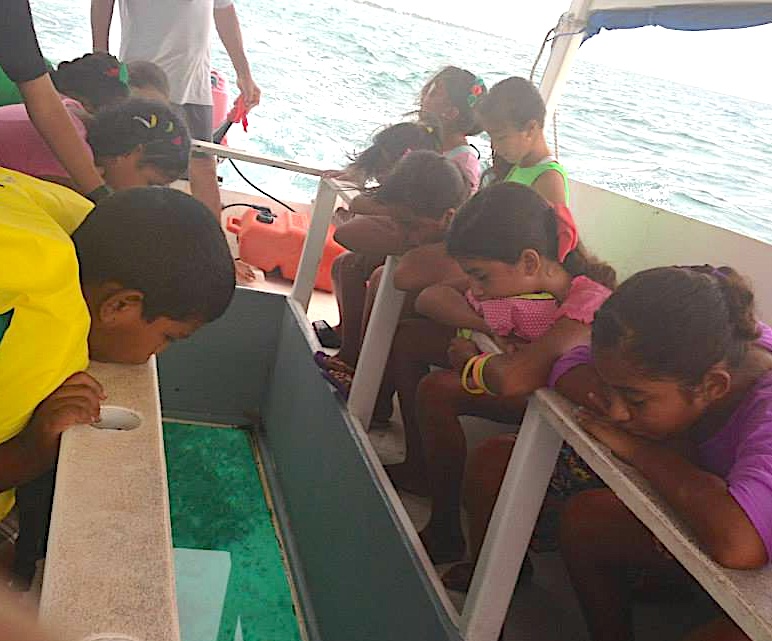
Coral Reef Ed-Ventures Program
Coral Reef Ed-Ventures is an environmental education collaboration between Smith College’s Environmental Science and Policy Program and the Hol Chan Marine Reserve on Ambergris Caye, Belize. While on Ambergris Caye, I coordinated and taught two weeks of camp for Belizean schoolchildren: a one-week, inquiry-based program for children ages 7 to 11 focused on coral reefs, seagrasses and mangroves and a one-week advanced program engaging youth ages 12 and above. I also spent one week participating in marine conservation research with Smith College faculty and Hol Chan Marine Reserve staff.
Mentoring
Beyond mentorship of individual high school, undergraduate, master’s, and PhD students, I have also participated in a variety of mentoring programs. I firmly believe that early access to research opportunities, peer and near-peer mentoring programs, and community building can help retain talented individuals in STEM fields. Furthermore, I have so much fun learning about the passions and interests of others and supporting mentees in their academic and scientific journeys.
Mentoring programs I have been involved in include Letters to a Pre-scientist, Maile Mentoring Bridge Program, and the Achieving Excellence in Mathematics, Engineering and Sciences (AEMES) Scholars Program.
Curriculum development
Heʻeia National Estuarine Research Reserve Educational Program
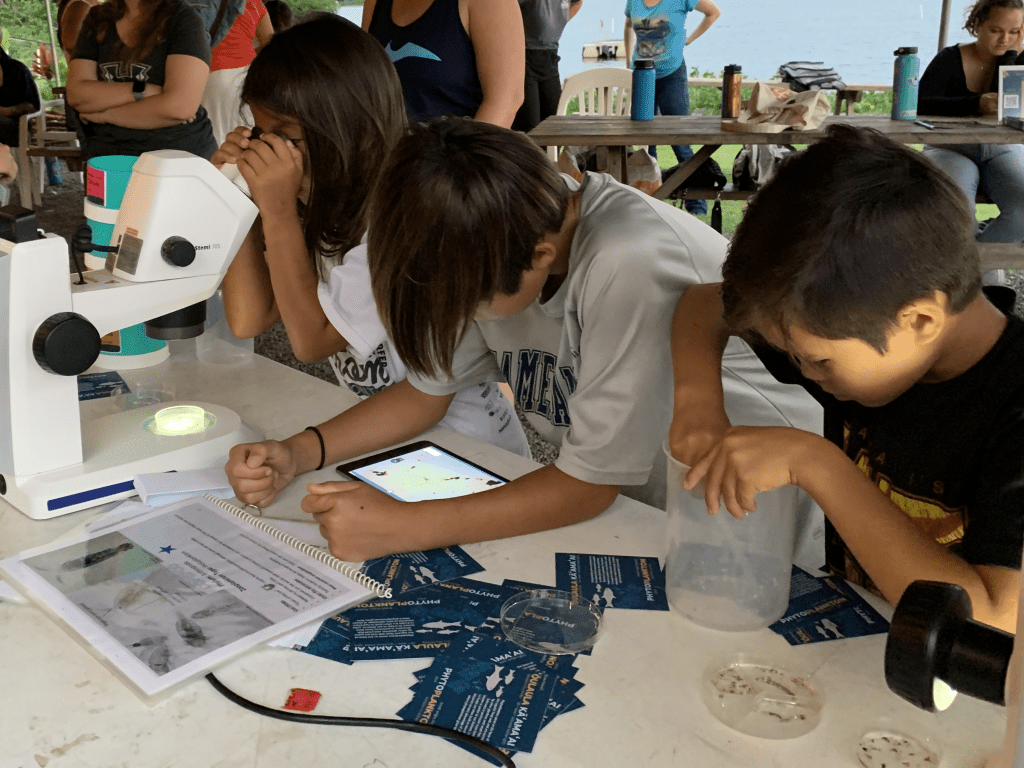
As NOAA Margaret A. Davidson Fellow, I worked closely with the Heʻeia National Estuarine Research Reserve Educational Program to develop educational curricula. I co-developed a Phytoplankton in a Bottle education module and A phytoplankton guide to Heʻeia Fishpond and surrounding waters, both of which depict the vital role phytoplankton play in aquatic food webs of Heʻeia.
Hawai‘i Institute of Marine Biology Research Experiences in Marine Sciences
As a Smithsonian Youth Access Grant Fellow, I created an experiential education module on marine microbial ecology with the aim of implementing the module in the Hawai‘i Institute of Marine Biology (HIMB) Research Experiences in Marine Sciences Program. I piloted the educational module with the HIMB Kulia Marine Biology Club and have worked with educational experts to further update the module.
 Sarah J. Tucker, Ph.D.